It’s called an Acroname. And Manhattan is filthy with them. A rebranding tactic to make a location feel more desirable, or at least more marketable.
You know the big ones. SoHo (South of Houston Street), NoMad (North of Madison Square Park), NoHo (North of Houston), DUMBO (Down Under the Manhattan Bridge Overpass).
SoHo is an interesting one. It shares its name with another super desirable neighborhood in London, but it's a total coincidence. London’s Soho actually comes from an old hunting cry, “So-ho!” used in the 1700s.
New York’s SoHo, on the other hand, was coined in 1962 by urban planner Chester Rapkin. At a time when Robert Moses was busy tearing the city down and rebuilding, Rapkin pushed for preservation. He started referring to the area as SoHo. And it stuck.
Following its success, developers tried the same playbook in nearby Washington Market, also known as the Lower West Side. They rebranded it TriBeCa (Triangle Below Canal Street). Like SoHo, it evolved from industrial to residential. Artists moved in, then galleries, then JFK Jr.... What was once roughly $400 per square foot climbed to well over $2,500.
Turns out, location in real estate isn’t just geography. It’s marketing.
Officially, Manhattan has around 50 neighborhoods. Unofficially, it’s closer to 70, depending on who you ask. New York City as a whole? Upwards of 350.
There’s an episode of How I Met Your Mother where Ted and Marshall find an apartment in an “up-and-coming” neighborhood called DoWiSeTrePla. On move-in day, they step out of the cab and notice a stench in the air. They quickly realize DoWiSeTrePla stands for DOwnWInd of the SEwage TREatment PLAnt.
Acronames can be deceptive. And lately, they’ve started to feel like a bit of a joke. Which might be why newer neighborhood names sound more elevated. Hudson Square (formerly West SoHo). Hudson Yards (formerly West Chelsea). Billionaire’s Row (formerly 57th Street). Hell, even Hell’s Kitchen tried to become Clinton, which never really took.
My grandmother grew up in Greenwich Village in the 1920s and 30s. A New Yorker through and through, despite being dragged out to Manhasset against her will. I loved hearing her stories about old New York, and she loved hearing about my new life in the city.
I remember telling her about an apartment I was selling in West Village. She stopped me.
“It’s the Village,” she corrected. “There’s no East Village or West Village. It’s all the Village.”
And she was right. The term “West Village” didn’t really come into common use until the 1960s, as the city began carving neighborhoods into smaller, more marketable pockets. But if she were alive today, even she would agree the East and West Village feel worlds apart, in identity, energy, and especially price.
Not just pretty words to say
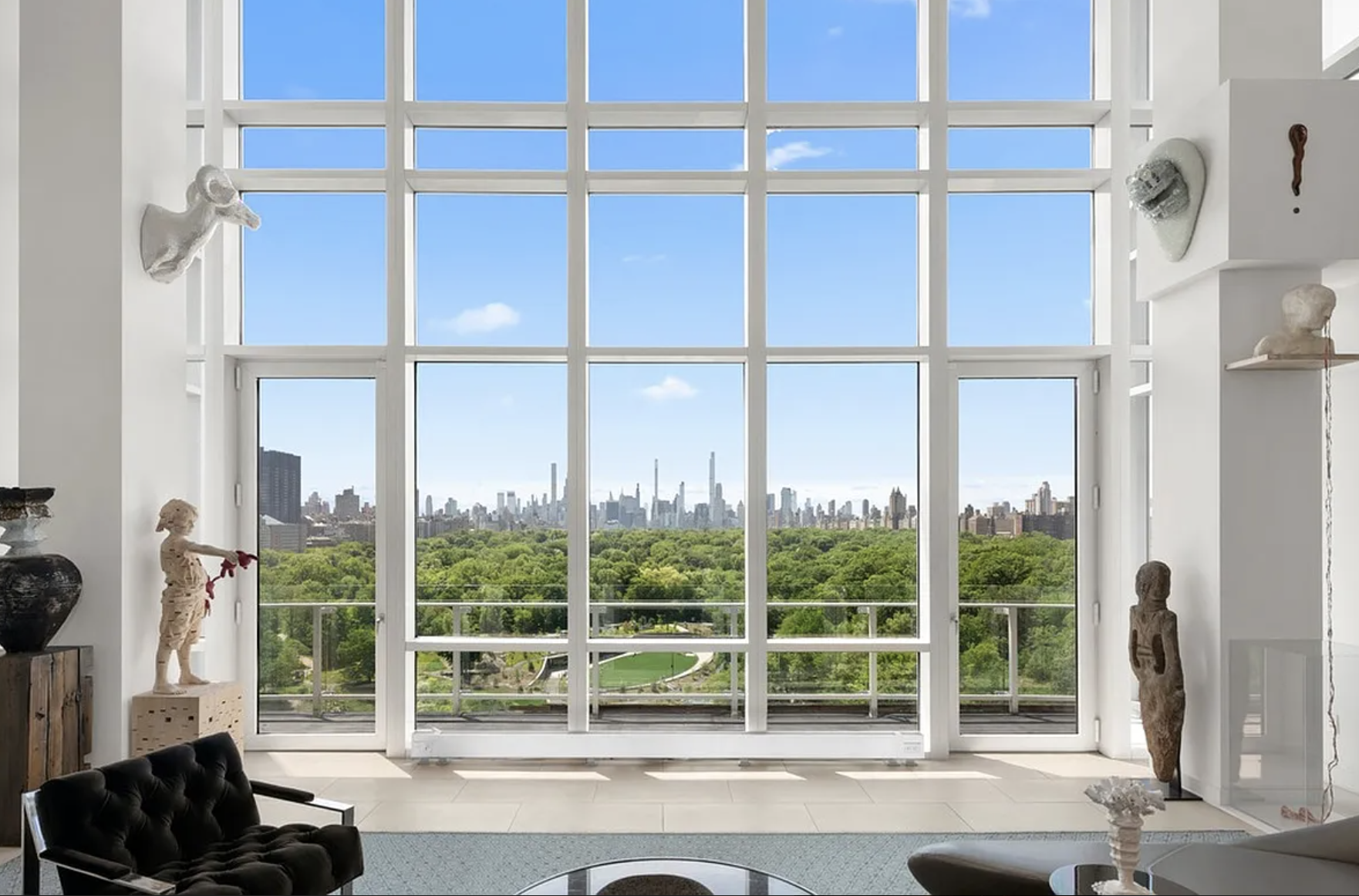
A few years ago, I was brought in to sell a new development on Central Park North, technically in South Harlem. It was, and still is, one of the most expensive products in that immediate market. Hard to comp. There’s nothing quite like it on 110th Street. A sleek new luxury building with some of the best Central Park views in the city.
There had been a quiet push to call the area “SoHa,” which I could never say with a straight face. Instead, we explored positioning it as Central Park North, the way Central Park South operates as its own category in Midtown South. We even tried getting Zillow and StreetEasy to recognize it. No luck.
But what we realized pretty quickly was that most of the buyers were already from the neighborhood. Grew up there. Maybe left and were now coming back.
So instead of selling a rebrand, we leaned into what was already there. We built everything around South Harlem. Community events. Local guides. Partnerships with nearby shops and restaurants. Walking tours. Trying to capture the heart and soul of the neighborhood.
And it worked. It took time, but we sold out the building. A staggering number of the buyers were local. And the ones who weren’t fell in love with South Harlem. Not SoHa.
And thanks to Sir. Elton John... now I know, "Spanish Harlem" are not just pretty words to say.